
The Future of the Event Industry: These Trends Will Dominate in 2026

Written by
Tobias Reichert

Post date
Q1/2026

Comments
26

The event industry is in a constant state of change. New technologies, evolving expectations of participants, and innovative concepts are shaping the future of how events will be designed in the future. Anyone planning events today should know the key developments for 2026 and prepare early.
1. Hybrid Events 2.0 - The Next Level of Connecting Online and Offline
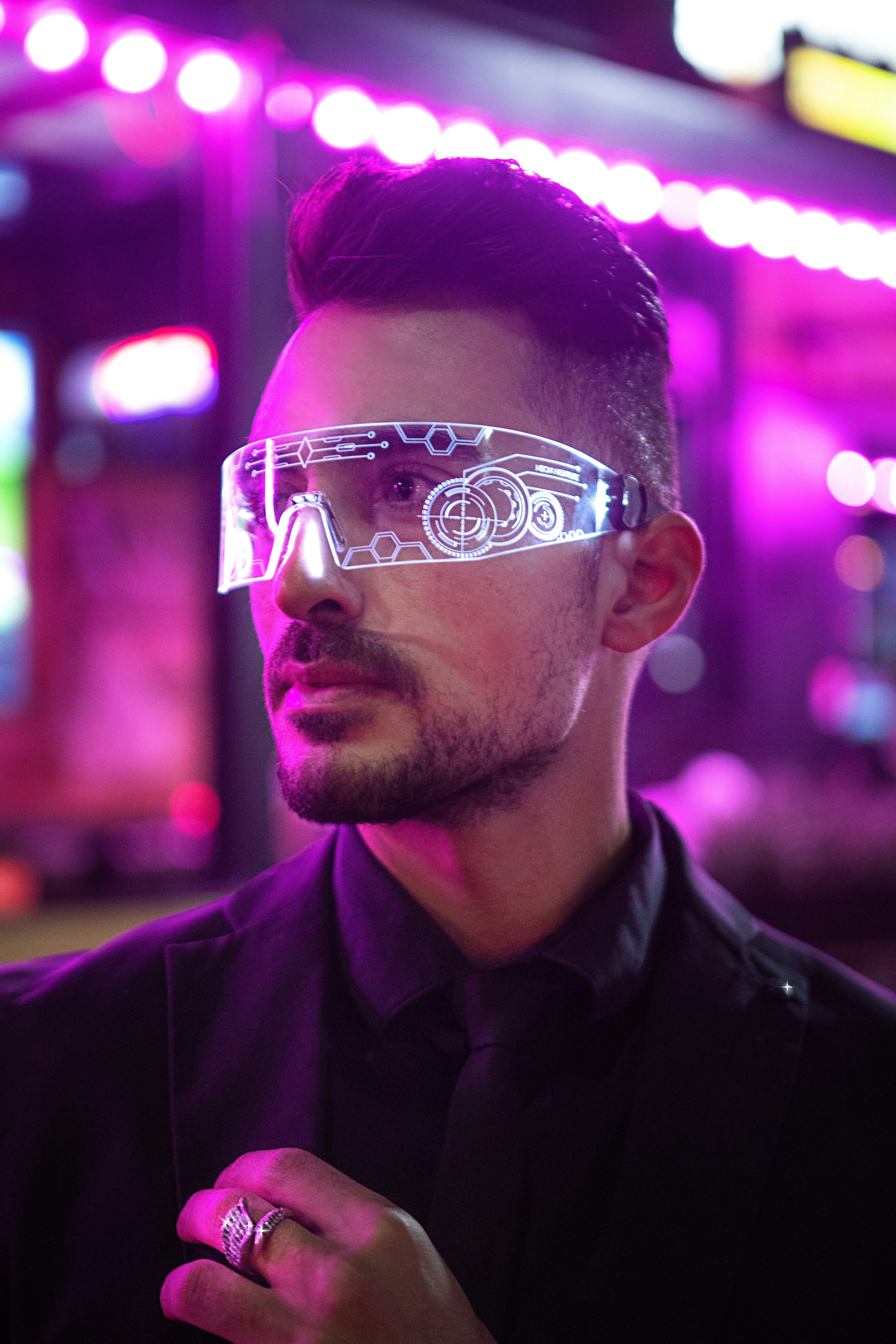
Hybrid events are no longer a new concept, but in 2026 they reach a new level. The combination of digital and physical experiences will be even more personalized and interactive. Organizers are leaning on immersive technologies such as Augmented Reality (AR) and Virtual Reality (VR) to engage participants both on-site and digitally.
What will change?
- Real-time interactions: Participants can take part in the same discussions and workshops both on-site and online.
- Virtual networking rooms: Artificial intelligence (AI) matches participants based on their interests and business goals.
- Personalized content: Through data analysis, content is tailored to each participant's individual needs.
2. Gamification - Events as Interactive Experiences
Participants don't just want to consume content; they want to actively co-create. Gamification elements make events more exciting and create a stronger emotional connection. Companies are increasingly using interactive challenges, point systems, or live polls to involve the audience.
Examples of gamification in the event world:
- Escape room concepts: Teamwork and problem-solving are playfully integrated.
- Reward systems: Attendees earn points through interactions and can win prizes.
- Augmented reality scavenger hunts: Digital adventures that connect real locations with virtual tasks.
3. Artificial Intelligence & Automation - Smarter Events for More Efficient Planning
AI technologies are revolutionizing the event industry. From automated registration processes to smart chatbots for visitor questions - artificial intelligence makes planning and running events significantly easier.
How AI improves events:
- Personalized event experiences: AI analyzes attendee behavior and suggests tailored sessions.
- Efficient resource planning: Automated logistics optimization reduces costs and improves processes.
- Virtual assistants: Chatbots handle customer service and answer questions in real time.
4. Exclusive VIP Experiences - Less Crowd, More Class
While large-scale events will continue to exist, many companies increasingly focus on limited events with an exclusive character. Attendees are not just meant to be there; they should feel like part of an elite community.
How VIP experiences are implemented:
- Limited attendee numbers: Higher-quality events with a more personal feel.
- Behind-the-scenes access: Exclusive meet & greets with industry experts or celebrities.
- Luxury venues & tailored programs: Instead of standard events, premium experiences take center stage.
5. Social Media & Viral Live Formats - Events as Content Platforms
Events are long past being just a one-time occasion - they are a content engine for social media. More and more companies are using live streaming, Instagram Reels, and TikTok challenges to extend their events far beyond the actual event day.
How social media events change:
- Live streaming as the norm: Events reach a global audience through digital channels.
- TikTok & Instagram formats: Short videos drive viral reach.
- User-generated content: Participants are actively involved and create content themselves.
Conclusion: To Shape the Future of Events, You Need to Spot New Trends Early
The event industry in 2026 will be more interactive, more digital, and more exclusive. Attendees will expect not only high-quality content, but also experiences that connect with them emotionally and inspire them in a sustainable way. Event organizers who embrace these trends and implement them creatively will stand out from the crowd and succeed long-term.
Leave a Comment
Your email address will not be published. Required fields are marked